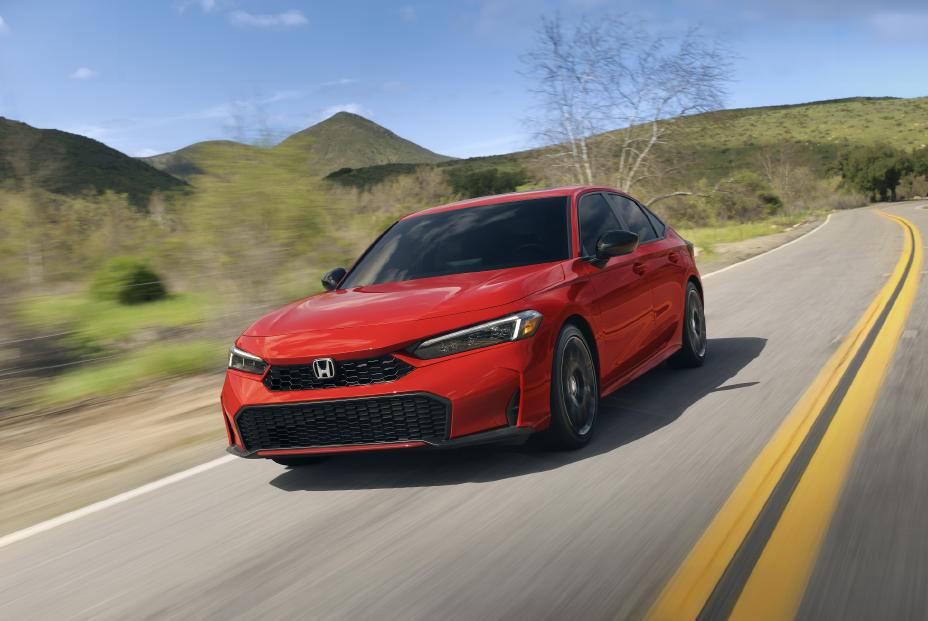
Honda named its next-generation hybrid system “Honda Hybrid” in an October 9 announcement, with global introduction planned from 2027. The company targets 15 next-generation hybrid models by the fiscal year ending March 31, 2030, primarily in North America.
The announcement matters to American shoppers because it identifies the region as a development focus. It does not provide a U.S. model-by-model launch schedule, prices or certified fuel-economy figures.
The planned changes go beyond the badge
Honda says it is advancing the engine, drive unit and controls developed through its two-motor e:HEV technology. Planned work includes expanding the engine’s efficient operating range, improving and downsizing the drive unit, and using a new platform designed to reduce weight while managing body rigidity.
Advertisement
The company also identifies a new electric AWD system and Motion Management System integrated control technology. These are announced engineering directions; their final application and equipment availability need to be checked for each production model.
Reducing component size and vehicle weight can influence packaging as well as efficiency. But the release gives no dimensions or measured cargo-space change for a U.S. car. An advantage in a future model should therefore be assessed from that model’s specifications rather than inferred from the system name.
What a conventional hybrid does
The U.S. Department of Energy’s explanation of hybrid vehicles describes an engine working with electric motors and a traction battery. Conventional hybrids recharge through engine operation and regenerative braking, without requiring an external charging connection.
That distinction is useful when reading electrification announcements. A hybrid system name does not establish that a car has plug-in charging or an electric-only commuting range. A plug-in hybrid is a different configuration with an external charging connection.
How to use the announcement when shopping
If you need a car now, compare the actual vehicles and contracts available to you. If you can wait, track the specific model announcement for drivetrain, trim, U.S. timing, warranty terms and EPA figures. The global 2027 starting point does not mean every planned model arrives in American dealerships that year.
For a meaningful comparison, keep the current car’s delivered price and equipment alongside the future model’s confirmed figures as they become available. Honda’s October release establishes the technology roadmap; a purchase decision still needs the production vehicle’s details.